

Introduction to Poker Tournament Payout Structures
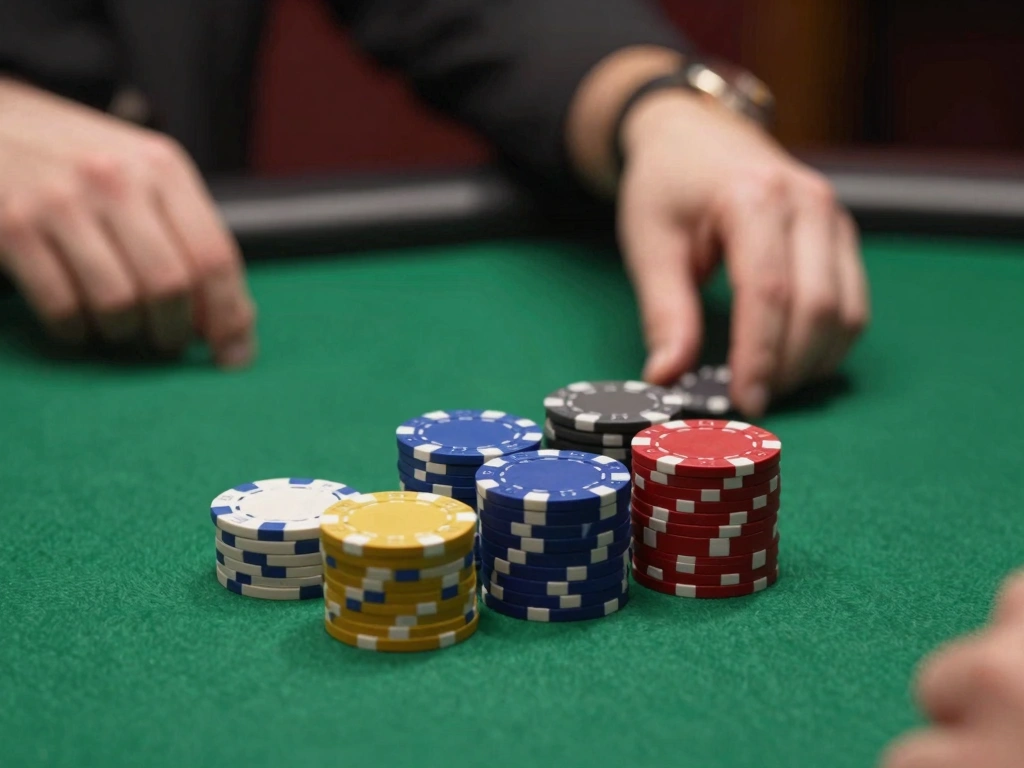
Understanding the cash payout structures in poker tournaments is essential for both novice and experienced players. The payout structure dictates how prize money is distributed among the participants, influencing strategies and player behavior throughout the tournament. In this article, we will delve into the various payout structures, their implications, and strategies to maximize your earnings.
What is a Poker Tournament Payout Structure?
A poker tournament payout structure is a defined system that determines how prize money is allocated among players based on their finishing positions. This structure can vary significantly from one tournament to another, affecting how players approach the game. Generally, the payout structure is established before the tournament starts and is crucial for understanding potential rewards for performance.
Importance of Understanding Payout Structures
Understanding payout structures is vital for several reasons:
- Strategic Planning: Knowledge of the payout structure allows players to adjust their strategies, especially during critical phases like the bubble.
- Investment Evaluation: Players can assess the risk versus reward by knowing how much they can potentially earn based on their performance.
- Psychological Edge: Understanding payout structures can give players a psychological advantage, allowing them to make more informed decisions and control their emotions during high-pressure situations.
Overview of Common Payout Models
There are several common payout models in poker tournaments, each with distinct characteristics:
- Flat Payout Model: A fixed amount is awarded to each player in the payout positions.
- Percentage-Based Payout Model: Payouts are distributed based on a percentage of the total prize pool, often rewarding higher placements more significantly.
- Hybrid Payout Model: A combination of flat and percentage-based structures, offering a unique distribution that can vary widely.
Types of Payout Structures in Poker Tournaments
Flat Payout Structure Explained
In a flat payout structure, a fixed prize amount is awarded to each player who finishes in the payout positions. For example, in a tournament with ten players, the top three finishers may receive equal payouts of $100 each. This model is often favored in smaller tournaments or home games, where simplicity is preferred.
Example: Consider a $1,000 prize pool with a flat payout structure for the top three positions:
- 1st Place: $333
- 2nd Place: $333
- 3rd Place: $334
This structure encourages players to aim for the top spots but does not significantly differentiate between finishing positions beyond the payout threshold.
Percentage-Based Payout Structure Explained
The percentage-based payout structure allocates the total prize pool based on predetermined percentages for each finishing position. This model typically rewards higher placements more generously, which can create a competitive atmosphere. It is common in larger, professional tournaments.
Example: In a tournament with a $10,000 prize pool, the payouts might look like this:
- 1st Place: 50% ($5,000)
- 2nd Place: 30% ($3,000)
- 3rd Place: 20% ($2,000)
In this case, the reward for finishing first is significantly higher than for second or third, encouraging players to take calculated risks to secure the top position.
Hybrid Payout Structure Explained
The hybrid payout structure blends elements of both flat and percentage-based models. This structure can offer a more balanced approach, rewarding multiple players while still emphasizing higher placements. It is particularly popular in larger tournaments with a diverse player base.
Example: In a $5,000 tournament, the payouts might be structured as follows:
- 1st Place: 40% ($2,000)
- 2nd Place: 25% ($1,250)
- 3rd Place: 15% ($750)
- 4th Place: 10% ($500)
- 5th Place: 5% ($250)
The hybrid structure allows for a broader distribution of payouts while still rewarding top finishes adequately, providing motivation for players to strive for higher placements.
Factors Influencing Payout Structures
Number of Participants and Its Impact
The total number of participants in a tournament directly affects the payout structure. Larger tournaments typically require more complex payout models due to the increased prize pool. A higher number of players may also lead to a greater number of payout positions, ensuring that more players receive compensation for their efforts.
Example: In a tournament with 100 players, the top 15 might receive payouts, whereas in a smaller tournament with only 20 participants, only the top 3 might be rewarded. The difference in participant numbers necessitates a more nuanced payout approach to maintain player interest and engagement.
Buy-In Amount and Payout Distribution
The buy-in amount for a tournament also plays a significant role in determining the payout structure. Higher buy-in amounts generally lead to larger prize pools, allowing for more substantial payouts to the top finishers. Conversely, tournaments with lower buy-ins may adopt flatter payout structures to ensure that all players receive a return on their investment.
Example: A $10,000 buy-in tournament may have a payout structure rewarding the top 20% of players, while a $100 buy-in tournament could reward the top 10% with flatter payouts. This reflects the need for a balanced approach based on the size of the investment.
Tournament Type and Structure Variations
The type of tournament being played—whether it is a freezeout, rebuy, or satellite—can also influence the payout structure. Different formats may have unique payout models that cater to their specific objectives and player demographics.
- Freezeout Tournaments: Players are eliminated once they lose their chips, and the payout structure is typically straightforward.
- Rebuy Tournaments: Allowing players to re-enter can complicate the payout structure, as the total prize pool may change based on the number of rebuys.
- Satellite Tournaments: These often feature unique payout structures, rewarding top finishers with entries into larger tournaments instead of cash.
Strategies for Maximizing Payouts in Tournaments
Understanding Bubble Play and Its Importance
The "bubble" refers to the critical moment in a tournament just before payouts begin. Understanding bubble play is crucial for maximizing potential earnings. Players often tighten their play to secure a payout, which can be exploited by more aggressive players.
Example: If a tournament pays the top 10 players, and you are in 11th place, the strategy may involve playing conservatively to avoid elimination while waiting for others to take risks. Conversely, if you have a significant chip lead, applying pressure on shorter stacks can result in more eliminations, securing your payout.
Adjusting Play Style Based on Payout Structure
Different payout structures necessitate varying approaches to gameplay. In tournaments with flatter payout structures, players may be more inclined to take risks, as the rewards for finishing in the top positions are not as drastically different. In contrast, percentage-based payout structures encourage a more conservative approach, particularly for players aiming for the top.
Example: In a flat payout structure, a player might play aggressively from the start, attempting to accumulate chips without fear of a significant drop in payout. In a percentage-based model, a player may opt for a selective approach, focusing on preserving their stack to reach the higher payout tiers.
When to Take Risks for Larger Payouts
Knowing when to take calculated risks is essential in tournaments, especially as you approach higher payout brackets. Understanding the dynamics of your chip stack, the tendencies of your opponents, and the payout structure can inform your decisions.
Example: If you are in a tournament where the top payout is significantly higher than the subsequent places, it may be worth risking your chips to try and secure that top position. Conversely, if the payouts are relatively close, maintaining a solid chip stack may be the wiser choice.
Common Misconceptions About Payout Structures
Payout Structures and Skill Level Misunderstandings
A common misconception is that payout structures favor skilled players. While skill can influence outcomes, the payout structure primarily rewards positioning. A less skilled player can still achieve high payouts through careful play and favorable circumstances.
Assumptions About Flat vs. Percentage Payouts
Another misconception is that flat payout structures are inherently less rewarding than percentage-based structures. While percentage-based payouts can lead to larger top prizes, flat payouts can be equally rewarding in smaller tournaments where the prize pool is limited and many players are looking for a return on their investment.
Impact of Rebuy and Add-On Options on Payouts
Many players misunderstand how rebuy and add-on options affect payout structures. Some assume that these elements always lead to larger payouts; however, they can also dilute the prize pool if many players choose to rebuy. This can result in a different payout structure than initially anticipated.
Example: In a tournament with a $1,000 prize pool, if several players rebuy, the total prize pool might increase to $1,500. However, if the payout structure is not adjusted accordingly, the earlier assumptions about potential earnings may not hold true.
In conclusion, understanding the various poker tournament cash payout structures is a vital component of tournament strategy. By familiarizing yourself with the different types of payout models, factors influencing payouts, and effective strategies, you can enhance your tournament experience and maximize your potential earnings.